
**Working Title:** *MilleMiglia: How Google’s Open-Source Generator Could Standardize Middle-Mile Logistics Benchmarks*
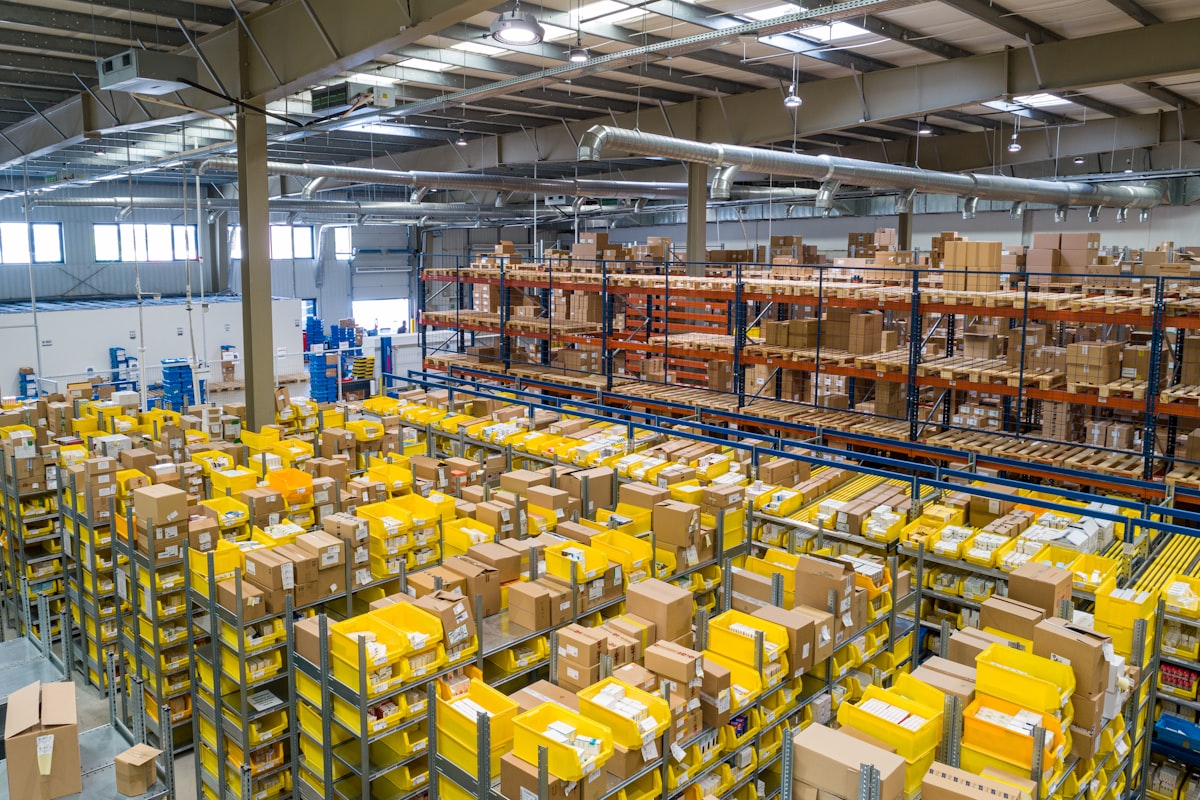
MilleMiglia: Google’s Open-Source Generator Just Changed Middle-Mile Logistics Benchmarks
MilleMiglia was introduced on September 18, 2026. An open-source C++ instance generator built for middle-mile logistics problems.
But middle-mile has operated without benchmarks. No standardized test cases. No widely accepted datasets.
MilleMiglia doesn’t release real-world data. It generates synthetic but realistic logistics instances that capture middle-mile constraints. They’re designed to reflect real-world complexities—time windows, capacity limits, multi-modal transfers—without exposing sensitive operations.
The Benchmarking Desert That Was Middle-Mile
Synthetic but realistic instances provide a privacy-preserving way to benchmark algorithms at scale.
How MilleMiglia Works—and What It Actually Produces
Written in C++ for performance.
- Realistic constraints: Captures middle-mile complexities like time windows, capacity limits, and multi-modal transfers.
- Privacy-preserving: No proprietary data, so companies generate instances without exposing operations.
- Scalability: The brief mentions "huge data sets," suggesting instances large enough to train machine learning models.
The Technical Gap This Fills
It’s positioned as the first step toward standardized middle-mile benchmarks—something like CVRPLIB for vehicle routing or TSPLIB for traveling salesman problems.
The brief mentions generating "huge data sets" to train ML algorithms.
Why Realism Is Non-Negotiable: Middle-Mile’s Defining Constraints
The brief mentions "unique constraints" but doesn’t detail them.
Who Wins—and Who Might Lose
Will MilleMiglia Become the CVRPLIB of Middle-Mile?
MilleMiglia is positioned as a "first step" toward standardized benchmarking.
g., Google Maps Platform).
Critiques and Open Questions
- How realistic are the instances? The brief doesn’t provide validation metrics (e.g., comparisons to real-world data distributions).
- Can it handle ultra-large instances? The brief mentions "huge data sets" but doesn’t specify computational limits.
- **Does privacy come at a cost?
Practical Takeaways: Using MilleMiglia Today
g., time windows, vehicle capacities).
The Bigger Picture: What This Says About AI and Logistics
Google’s Motivations
Is this purely research, or a push into logistics optimization? The brief doesn’t say, but worth watching.
Possible.
Sources
Key Takeaways
- The evolution of Blog continues to accelerate rapidly.
- Experts like Auto Bot suggest staying informed on these specific developments.
- Consider the broader implications for the tech industry moving forward.